


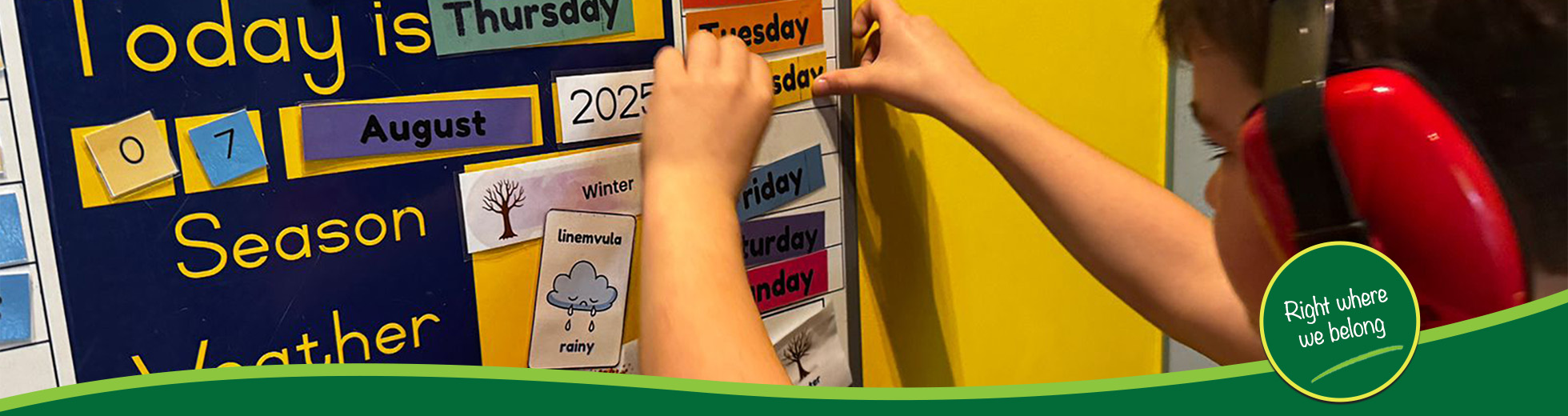
At EDU360 School, we offer two distinct pathways designed to meet students where they are — not where others expect them to be. Each pathway reflects our commitment to inclusive, strengths-based education and is delivered in small, structured classes with continuous informal accommodations and embedded therapeutic support.
Why Two Pathways?
Our dual-pathway model reflects the diversity of student needs and honours the non-linear nature of growth.
Whether a student is building foundational readiness or preparing for life and work, EDU360 School offers a structured, compassionate environment where progress is measured not just by outcomes – but by dignity, engagement, and hope.
KeyPathway
The Key Pathway supports students who are emerging toward readiness for a formalised curriculum.
It is designed for students who require high support, consistent structure, and a nurturing environment to build foundational academic and emotional skills.
Core Focus Areas
- Foundational Academic Skills:
Numeracy, literacy, and written expression are developed through topic-based planning aligned with UK Curriculum Statements. - Emotional Regulation:
Students are supported to understand and manage their emotions before academic demands are introduced. - Capacity Building:
We focus on developing the ability to learn, engage, and participate meaningfully in structured education.
Our Approach
- We prioritise routine, stability, and personal safety, recognising that self-concept and self-worth are built through consistency and care.
- Teaching is responsive to each student’s interests, motivation, sensory awareness, and capacity – adapting moment by moment.
- We integrate functional life skills into every lesson, including kindness, hygiene, social interaction, and safety awareness.
- Our code of conduct is presented in an accessible, student-friendly format to prepare students for integration into civil society.
- We blend individualised attention with the benefits of a formal classroom setting, creating a scaffolded learning experience that supports long-term growth.
The Key Pathway is often the gateway to formalised schooling, helping students transition from therapeutic or home-based environments into structured education.
It lays the groundwork for future academic or vocational progression, depending on each student’s evolving profile.
PivotPathway
The Pivot Pathway is designed for students who benefit from practical, life-oriented learning and may not thrive in traditional academic settings. It supports students with significant differentials between functional and chronological age, and those at risk of disengagement or exclusion.
Curriculum Framework
- Delivered through the internationally recognised ASDAN curriculum, which transforms abstract skills into measurable competencies.
- Focuses on real-world application, preparing students for independence, job readiness, and meaningful participation in civil society.
- Begins with foundational subjects – English, Maths, Integrated Studies, Life Skills, Physical Education, and ICT – before transitioning to ASDAN typically around ages 15–17.
Key Features
- Functional Learning Approach: Tailored to neurodiverse profiles and diverse cognitive needs.
- Integrated Support: Combines academic content with therapeutic and life skills development.
- Enhanced Accessibility: Makes learning relevant, engaging, and adaptable to individual strengths.
- Long-Term Success: Builds confidence, independence, and employability.
Steps to ASDAN Success
- Students complete ASDAN levels: Bronze, Silver, and Gold. Platinum Level is an additional option for further study.
- Certificates are awarded for each Level completed to standard.
- Student graduates upon external verification of evidence of work.
- Students can choose to go on to complete Platinum Level - “College Short Courses” - further refining their skills and employability.
- We work with the student to discover their areas of interest and natural aptitudes.
- We match areas of interest with ASDAN programmes offerings.
ASDAN empowers students to showcase their abilities, commitment, and readiness for life beyond school. It is a globally recognised qualification that supports meaningful futures.

